The History of Soda: From Pharmacies to Prebiotic Revolution
By Drinkolipopstore | Published: 2026-06-04
Category: Industry News
Explore the fascinating evolution of soda from medicinal elixirs in 18th-century pharmacies to today's functional prebiotic beverages. Discover how modern options like Olipop are redefining gut health.
The history of soda is a fizzy tale of innovation, medicine, and cultural transformation. What began as a bubbly concoction sold in apothecaries has evolved into a global industry—and now, into a functional beverage movement that prioritizes gut health. In this article, we’ll trace the origins of soda, explore its rise as a mass-market phenomenon, and examine how modern prebiotic sodas are rewriting the rules of refreshment. Along the way, we’ll highlight some of the most exciting flavors available today, including Strawberry Vanilla and Lemon Lime.
The Birth of Soda: A Pharmacy Accident
The story of soda begins in the 18th century, when scientists first discovered how to carbonate water. In 1767, English chemist Joseph Priestley invented a method to infuse water with carbon dioxide, creating what he called “soda water.” Initially, this fizzy water was praised for its supposed medicinal properties—it was believed to aid digestion, relieve nausea, and even cure scurvy. Pharmacies across Europe and America began bottling carbonated water as a health tonic.
By the 1830s, pharmacists were adding natural flavors like lemon, ginger, and sarsaparilla to mask the unpleasant taste of mineral salts. These early “sodas” were sold at soda fountains in drugstores, where customers would sip their bubbly medicine while socializing. The iconic Coca-Cola, for instance, was invented by a pharmacist in 1886 as a patent medicine for headaches and fatigue. This pharmacy-to-beverage pipeline laid the groundwork for soda’s explosive popularity.
The Rise of Mass-Produced Soda
The late 19th and early 20th centuries saw soda transform from a niche medicinal product into a mainstream consumer good. The invention of the crown cork bottle cap in 1892 made carbonated drinks portable and shelf-stable. Brands like Dr Pepper (1885), Pepsi-Cola (1893), and 7 Up (1929) emerged, each marketing their sodas as refreshing, energy-boosting treats. Sugary syrups became the norm, and soda fountains became community hubs—especially during Prohibition, when they offered a legal alternative to alcohol.
However, the mid-20th century brought a flood of high-fructose corn syrup and artificial ingredients. By the 1970s, soda had become synonymous with empty calories, contributing to rising rates of obesity and metabolic disease. The industry responded with diet sodas sweetened by aspartame and saccharin, but these came with their own health controversies. Consumers began to question: could soda ever be truly good for you?
The Functional Beverage Revolution: A New Chapter
Enter the 21st century: a time when consumers demand more from their drinks. The functional beverage trend—characterized by ingredients that offer health benefits beyond basic nutrition—has exploded. Prebiotic sodas, in particular, have captured the public’s imagination. These drinks use plant-based fibers (like chicory root) and natural flavors to support digestive health while delivering the fizzy satisfaction of traditional soda.
Brands like Olipop have led this charge, crafting a line of sodas that are low in sugar, rich in prebiotics, and free from artificial additives. The result is a beverage that aligns with modern wellness goals without sacrificing taste. This isn’t just a fad; it’s a return to soda’s medicinal roots—but with rigorous science and delicious innovation.
How Prebiotic Sodas Are Different
To understand the prebiotic revolution, it helps to know what prebiotics are. These are non-digestible fibers that feed the beneficial bacteria in your gut, promoting a healthy microbiome. Traditional sodas offer no such benefit—in fact, their high sugar content can harm gut health. Prebiotic sodas, on the other hand, use ingredients like chicory root fiber, cassava root fiber, and nopal cactus to deliver functional benefits.
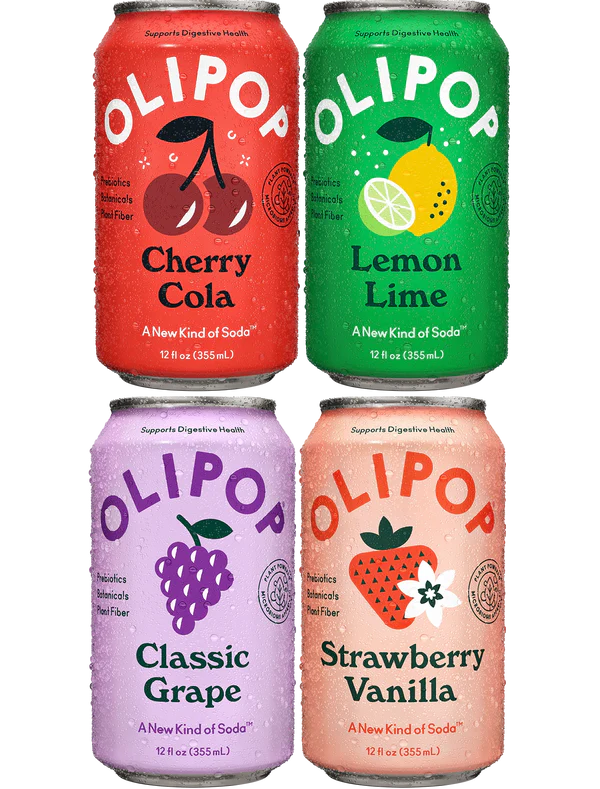
Take, for example, Strawberry Vanilla from Olipop. This flavor combines sweet strawberry with creamy vanilla for a dessert-like experience, yet it packs 9 grams of fiber and only 5 grams of sugar per can. Similarly, Lemon Lime offers a crisp, citrusy zing that rivals any traditional lemon-lime soda, but with gut-friendly prebiotics instead of empty calories. These are just two examples of how the category is redefining what soda can be.
The Evolution of Soda Flavors: From Sarsaparilla to Tropical Punch
Flavor innovation has always been central to soda’s appeal. In the 1800s, pharmacists experimented with botanical extracts like sarsaparilla, birch beer, and ginger. By the mid-1900s, fruit flavors dominated: orange, grape, and cherry became staples. Today, prebiotic soda brands are taking flavor cues from both tradition and global cuisine.
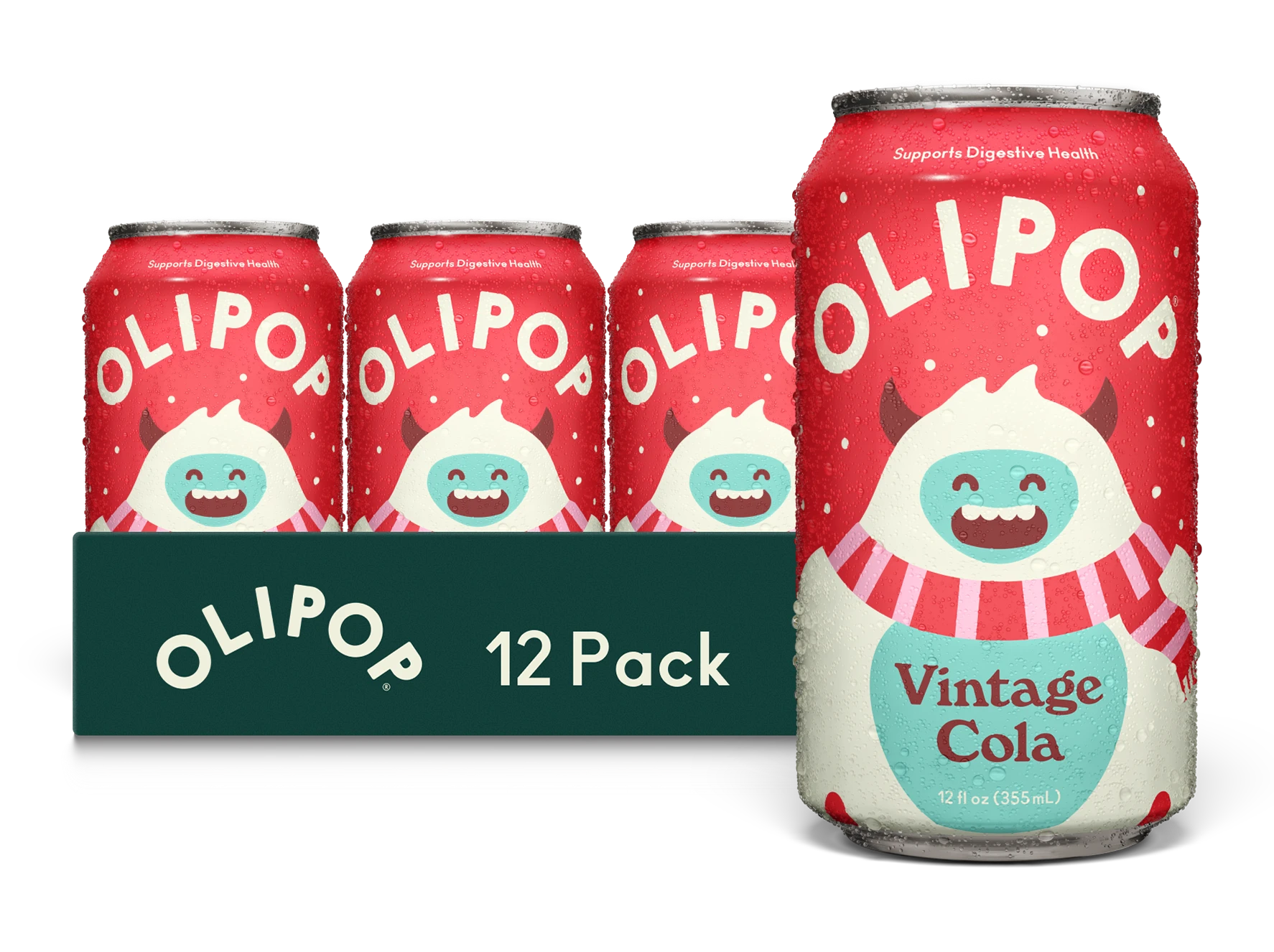
Olipop’s lineup includes nostalgic classics like Vintage Cola, which evokes the old-fashioned cola taste without the high sugar or phosphoric acid. They also offer bold, tropical options like Pineapple Paradise and Tropical Punch. For those who enjoy creamier profiles, Orange Cream and Banana Cream deliver a nostalgic soda-shop vibe. And for seasonal variety, the Winter Seasonal Ginger Ale offers a warming, spicy twist that’s perfect for cooler months.
The Role of Variety Packs in the Prebiotic Soda Movement
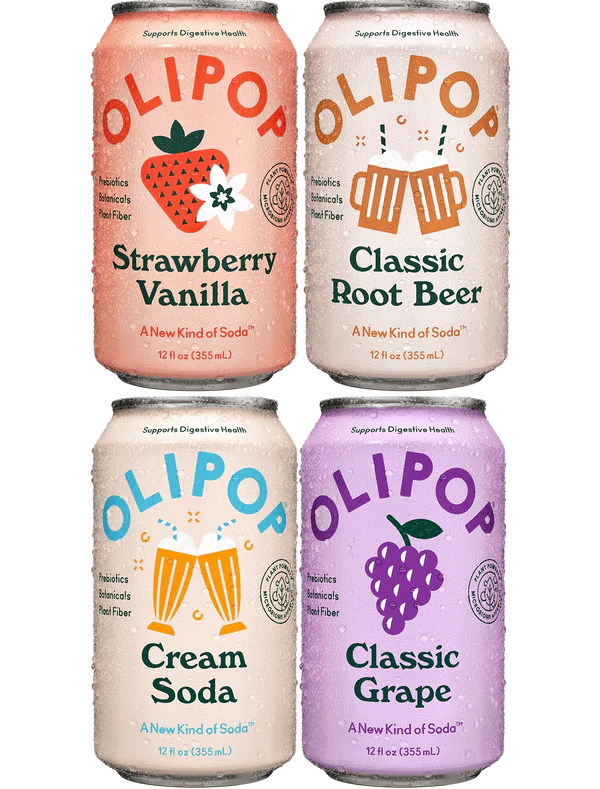
One of the most exciting developments in the functional beverage space is the rise of variety packs. These allow consumers to sample multiple flavors without committing to a full case, making it easier to find personal favorites. Olipop’s Fruity Fun Variety Pack is a great example, combining four fruity flavors that appeal to both kids and adults. Variety packs also encourage exploration—a key driver of the prebiotic soda trend, as people discover that gut-friendly drinks can be just as enjoyable as traditional sodas.
Soda’s Cultural Impact: From Social Lubricant to Wellness Tool
Soda has always been more than just a drink. In the 1950s, it symbolized American prosperity and youthful rebellion. Today, prebiotic sodas are redefining that cultural role. They’re consumed not just for pleasure, but as a deliberate choice for health. This shift is part of a broader movement toward functional foods and beverages, where every ingredient serves a purpose.
The rise of prebiotic soda also reflects changing consumer values: transparency, sustainability, and holistic wellness. People want to know exactly what’s in their drinks and how those ingredients affect their bodies. Brands like Olipop meet this demand by listing all ingredients clearly and emphasizing the science behind their formulations. This has helped prebiotic sodas move from niche health stores to mainstream grocery aisles.
What the Future Holds: The Next 100 Years of Soda
Looking ahead, the history of soda suggests that innovation will continue. We’re likely to see even more personalized beverages—think sodas tailored to individual microbiomes or those that incorporate adaptogens and nootropics. The line between soda and functional supplement will blur further. At the same time, sustainability will become increasingly important: brands may shift to biodegradable packaging or carbon-neutral production.
One thing is certain: the soda of the future will be smarter, healthier, and more delicious than ever. The prebiotic revolution is just the beginning. As consumers become more educated about gut health, they’ll demand drinks that support their bodies while delighting their taste buds.
Conclusion: A Toast to the Evolution of Soda
From Joseph Priestley’s lab to your refrigerator, soda has come a long way. It started as a medicinal tonic, evolved into a sugary indulgence, and is now being reinvented as a functional wellness tool. The prebiotic soda movement honors this history while pushing boundaries—proving that a fizzy drink can be both delicious and beneficial.
If you’re curious to experience this evolution firsthand, we invite you to explore Lemon Lime from Olipop. Its bright, citrusy flavor and gut-friendly ingredients make it the perfect starting point for your journey into the world of prebiotic sodas. Cheers to the past, present, and future of soda!