How Prebiotic Sodas Are Reducing Food Waste: A Sustainable Production Revolution
By Drinkolipopstore | Published: 2026-06-11
Category: Industry News
Discover how prebiotic sodas like Olipop are tackling food waste through innovative sourcing, upcycled ingredients, and eco-friendly production. Learn about sustainable soda practices and flavors that help the planet.
The global beverage industry has long struggled with food waste, from discarded fruit pulp to unsold inventory. But a new wave of functional sodas is rewriting that narrative. Prebiotic sodas, particularly those crafted with gut-healthy ingredients, are emerging as leaders in sustainable soda production. By prioritizing upcycled ingredients, reducing packaging waste, and sourcing surplus produce, brands like Olipop are proving that delicious, fizzy drinks can also be kind to the planet. In this article, we’ll explore how prebiotic sodas are reducing food waste across the supply chain and highlight specific flavors that embody this eco-friendly mission.
The Food Waste Problem in the Beverage Industry
Every year, millions of tons of fruits, vegetables, and grains are discarded during processing. In traditional soda manufacturing, only the juice or extract is used, leaving behind pulp, peels, and seeds that often end up in landfills. This organic waste generates methane, a potent greenhouse gas. Additionally, unsold sodas—whether due to short expiration dates or overproduction—add to the waste stream. The conventional soda industry has largely ignored this issue, but the rise of functional, prebiotic beverages is shifting the paradigm.
How Prebiotic Sodas Tackle Food Waste
Prebiotic soda brands are uniquely positioned to reduce waste because their formulations often rely on whole-food ingredients, fiber-rich roots, and botanicals that would otherwise be discarded. Here are the key strategies:
1. Upcycled Fruit Pulp and Peels
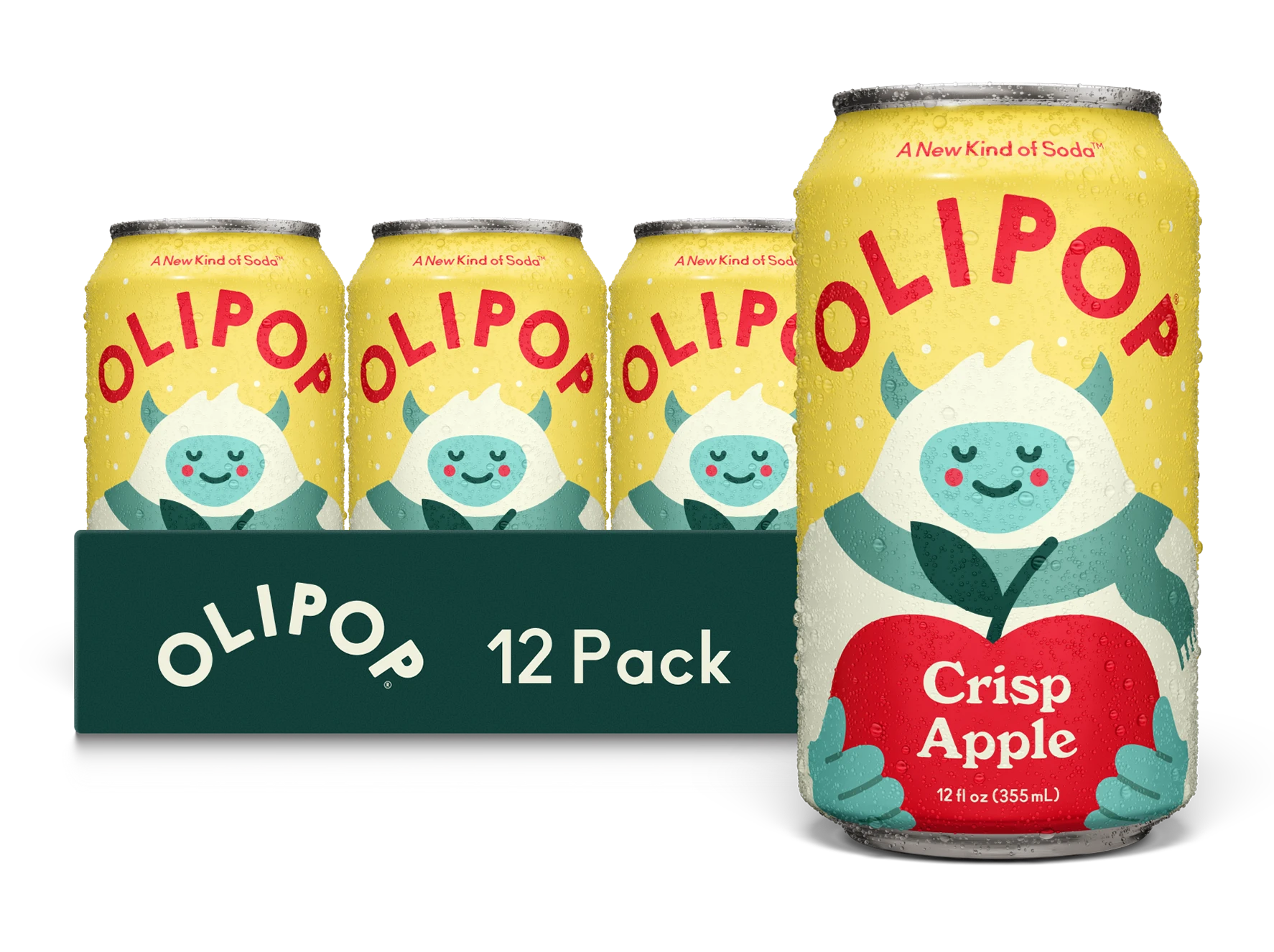
Instead of using only the juice, many prebiotic soda makers incorporate the entire fruit—including the pulp and peels—into their recipes. For example, apple pomace (the leftover from juicing) is rich in fiber and pectin, making it an ideal prebiotic ingredient. Olipop’s Crisp Apple flavor is a delicious example of how a classic apple taste can be achieved while minimizing waste. Similarly, citrus peels from orange and lemon production are often repurposed to add natural flavor and fiber to sodas, reducing the need for synthetic additives.
2. Using Imperfect or Surplus Produce
Farmers often discard fruits and vegetables that are blemished, misshapen, or slightly overripe because grocery stores demand cosmetic perfection. Prebiotic soda companies are partnering with farms to source these “ugly” ingredients, turning potential waste into tasty, functional beverages. The Ginger Lemon flavor, for instance, benefits from ginger roots that might not meet supermarket standards but still pack the same zesty punch and gut-healthy compounds.
3. Extended Shelf Life Through Natural Preservation
Traditional sodas rely on artificial preservatives to extend shelf life, but prebiotic sodas often use natural fermentation (via prebiotic fibers like chicory root inulin) and careful pH balance to stay fresh longer without chemical additives. This reduces the likelihood of unsold products being thrown away. Moreover, because these sodas are marketed as functional wellness products, they often have a loyal customer base that consumes them quickly, minimizing retail waste.
Eco-Friendly Production and Packaging
Sustainable soda production goes beyond ingredients. Many prebiotic soda brands are investing in lightweight aluminum cans (which are infinitely recyclable) and plant-based labels. Some are even exploring refillable glass bottles for local delivery. The reduction in packaging weight also lowers carbon emissions during transport. For a brand like Olipop, every can is designed with the environment in mind, ensuring that the entire lifecycle—from farm to recycling bin—is as green as possible.
Flavor Innovations That Support Sustainability
Certain flavors naturally lend themselves to waste-reduction strategies. Here are a few standout examples from Olipop’s lineup:
| Flavor | Waste-Reduction Strategy | Key Sustainable Ingredient |
|---|---|---|
| Crisp Apple | Uses apple pomace and peels for fiber | Chicory root inulin + apple fiber |
| Ginger Lemon | Sources imperfect ginger and lemon rinds | Ginger root, lemon peel extract |
| Orange Squeeze | Repurposes citrus pulp from juicing | Orange pulp, cassava fiber |
| Strawberry Vanilla | Uses whole strawberries including seeds | Strawberry puree, vanilla bean |
Each of these flavors demonstrates that you don’t have to sacrifice taste for sustainability. The Orange Squeeze, for instance, delivers a bright, citrusy experience while helping divert orange pulp from landfills.
Variety Packs: Reducing Overproduction
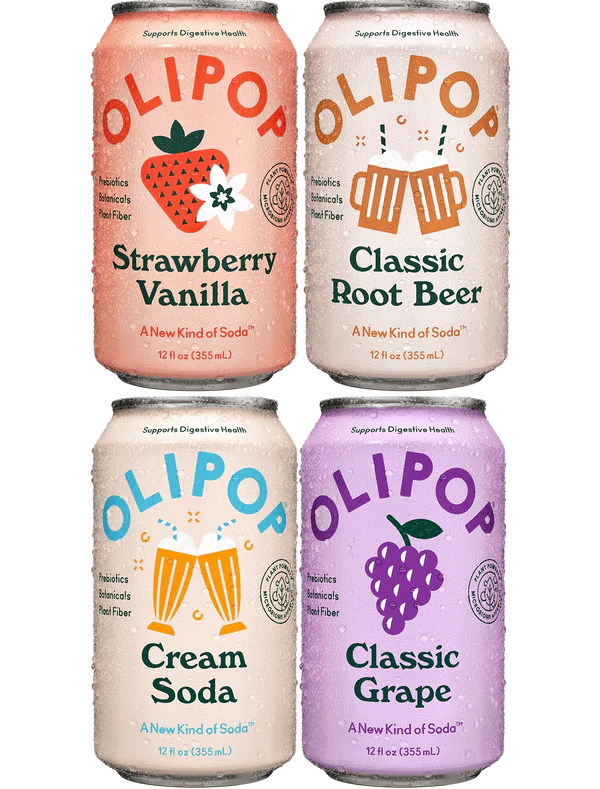
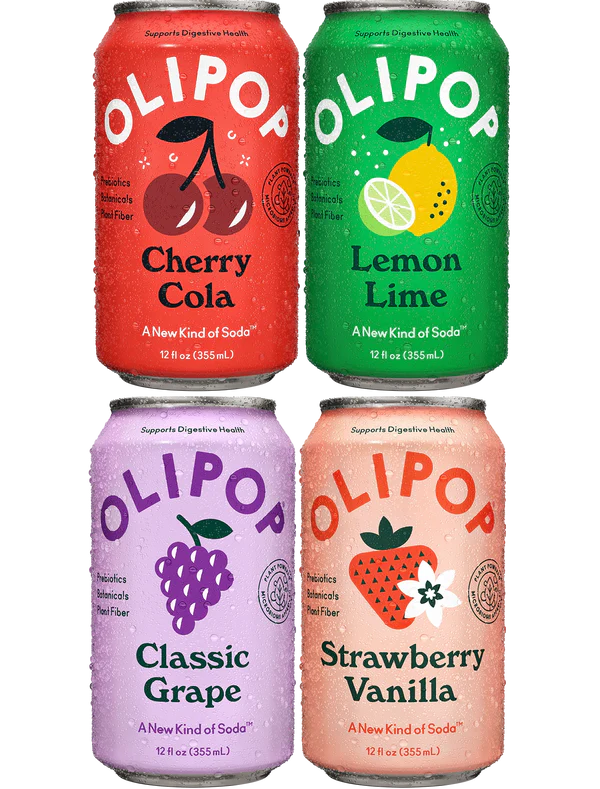
Another way prebiotic sodas combat waste is through carefully curated variety packs. Instead of producing huge batches of a single flavor that might go unsold, brands offer mixed boxes that let customers sample multiple flavors. Olipop’s Classic Soda Variety Pack and the Favorites Variety Pack allow consumers to try different options without the risk of committing to a full 12-pack of one flavor. This reduces the chance that unpopular flavors will sit on shelves and eventually be discarded.
The Role of Consumer Behavior
As a shopper, you can amplify these waste-reducing efforts. Buying seasonal flavors like Peaches & Cream (which uses peak-season peaches) supports agricultural cycles and minimizes the need for long-distance shipping. Similarly, opting for Cherry Cola or Cherry Vanilla helps brands plan production around cherry harvests, reducing the odds of surplus fruit going to waste. Every purchase is a vote for a more sustainable food system.
Industry Impact and Future Outlook
The prebiotic soda segment is still small compared to mainstream soft drinks, but its influence is growing. Major beverage companies are taking note and beginning to adopt similar waste-reduction practices. By proving that sustainability and profitability can coexist, brands like Olipop are paving the way for a greener soda industry. The next frontier may include carbon-neutral production facilities and partnerships with regenerative agriculture farms.
Conclusion: Sip Sustainably
Prebiotic sodas are more than a gut-health trend—they are a blueprint for how the beverage industry can reduce its environmental footprint. From upcycled fruit fibers to smart packaging and waste-conscious variety packs, every sip supports a healthier planet. If you’re ready to make your soda habit more sustainable, start by exploring the Classic Soda Variety Pack and taste the difference that mindful production makes.