Olipop vs. Traditional Soda: A Nutritional Comparison for Health-Conscious Consumers
By Drinkolipopstore | Published: 2026-05-30
Category: Product Reviews
Compare Olipop prebiotic soda vs. traditional soda side-by-side: calories, sugar, fiber, and gut health benefits. Discover why functional beverages are the healthier choice.
For decades, soda has been a go-to refreshment, but its high sugar content and empty calories have left health-conscious consumers searching for better alternatives. Enter Olipop, a prebiotic soda that promises the same fizzy satisfaction with added digestive benefits. In this comprehensive nutritional comparison, we break down exactly how Olipop stacks up against traditional sodas—from calorie counts and sugar content to fiber and gut health impact. Whether you're cutting back on sugar or simply curious about functional beverages, this guide will help you make an informed choice.
Calories and Sugar: The Biggest Difference
The most immediate difference between Olipop and traditional soda lies in the sugar and calorie content. A standard 12-ounce can of cola contains about 140–150 calories and 39 grams of sugar—nearly 10 teaspoons. In contrast, an Olipop can (also 12 oz) typically contains just 35–45 calories and 2–5 grams of sugar, depending on the flavor. That's a reduction of roughly 70–90% in both calories and sugar.
But Olipop doesn't rely on artificial sweeteners to achieve this. Instead, it uses a blend of natural sweeteners like stevia and monk fruit, combined with a touch of real fruit juice or cane sugar. This means you get a genuinely sweet taste without the blood sugar spikes or artificial aftertaste. For example, the Strawberry Vanilla flavor delivers a creamy, fruity sweetness with only 4 grams of sugar—a fraction of what you'd find in a strawberry soda from a conventional brand.
Fiber: The Secret Ingredient
One of the most striking nutritional advantages of Olipop is its fiber content. Every can contains 9 grams of dietary fiber, primarily from chicory root inulin and other prebiotic plant fibers. Traditional sodas contain zero fiber. This is a game-changer for digestive health because fiber feeds the beneficial bacteria in your gut, promoting regularity and reducing inflammation.
The 9 grams of fiber per can also help you meet the recommended daily intake of 25–30 grams for adults. To put that in perspective, one Olipop provides about a third of your daily fiber needs—something no regular soda can claim. For those watching their digestive wellness, the Shirley Temple flavor is a popular choice, combining nostalgic cherry-lime taste with gut-friendly fiber.
Ingredients: Real vs. Artificial
Traditional sodas are often made with high fructose corn syrup, caramel color, phosphoric acid, and artificial flavors. Many also contain caffeine and preservatives. Olipop, on the other hand, uses a short, recognizable ingredient list: filtered water, plant fiber, organic fruit juices, natural flavors, and a blend of prebiotic compounds. There are no artificial colors, no high fructose corn syrup, and no phosphoric acid (which can leach calcium from bones).
For example, the Cream Soda flavor gets its creamy vanilla profile from natural vanilla extract and a touch of cane sugar, not artificial vanillin. This commitment to clean ingredients makes Olipop a transparent option for anyone who reads labels.
Gut Health and Functional Benefits
Beyond basic nutrition, Olipop is formulated to support digestive health. The key prebiotic fibers—chicory root inulin, cassava root fiber, and Jerusalem artichoke inulin—serve as food for your gut microbiome. A healthy microbiome is linked to better immunity, improved mood, and reduced inflammation. Traditional sodas offer no such functional benefits; in fact, the high sugar content can disrupt gut bacteria balance and promote inflammation.
Olipop also contains a small amount of apple cider vinegar and green tea extract, which may help with blood sugar regulation and antioxidant protection. While not a meal replacement, it's a smart swap for anyone who wants to enjoy a carbonated beverage while supporting their digestive system.
Flavor Variety and Taste Comparison
One common concern is whether a healthier soda can taste as good as the original. Olipop has invested heavily in flavor development, offering a wide range from classic root beer to seasonal specialties. The Classic Root Beer is a fan favorite, delivering the same rich, sassafras-like taste as traditional root beer but with a fraction of the sugar. Blind taste tests often show that many people cannot tell the difference between Olipop and regular soda in side-by-side comparisons.
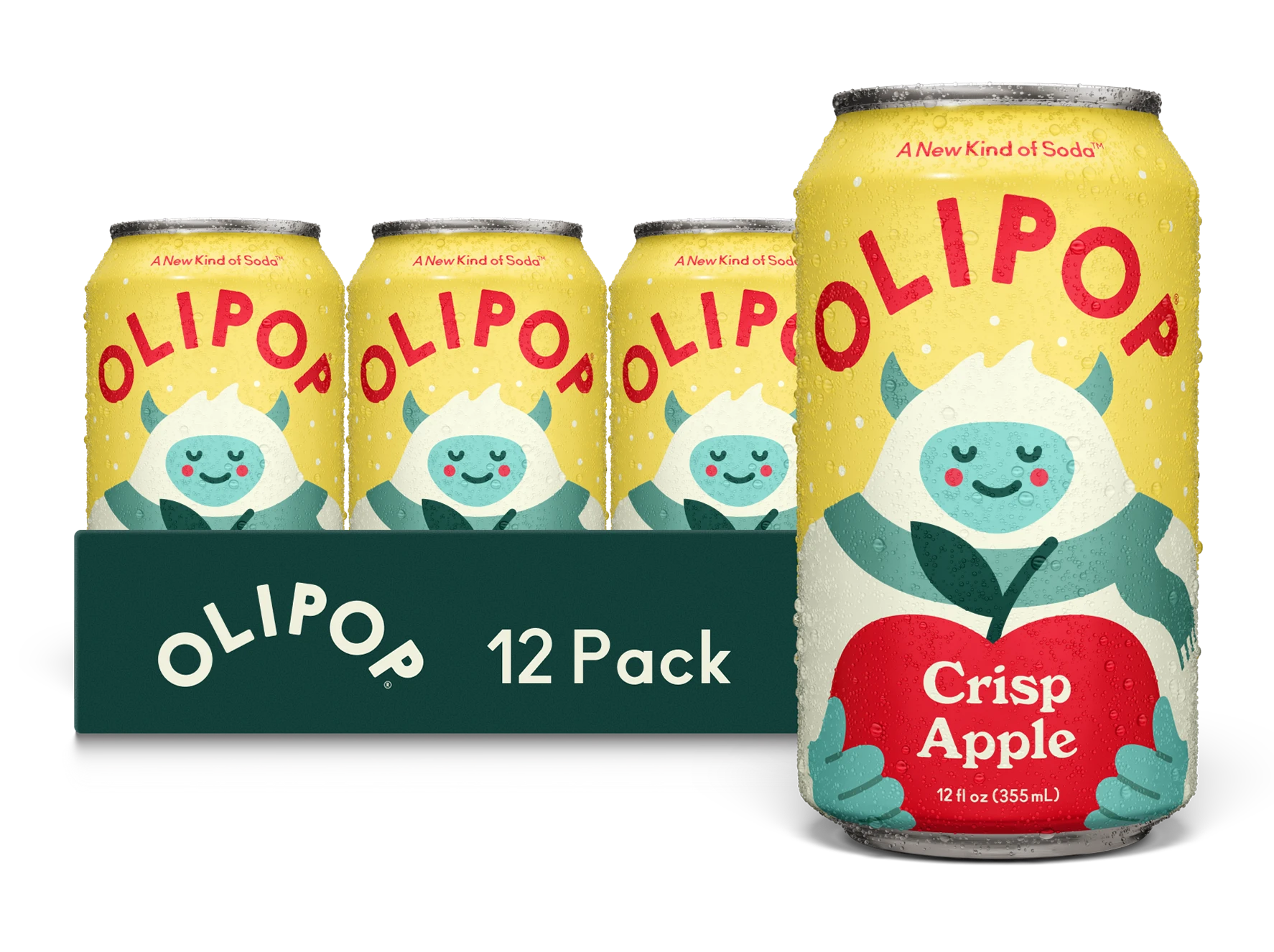
Traditional sodas rely on high sugar to mask bitterness and enhance flavor, but Olipop's natural sweeteners and fruit juice blends create a balanced, satisfying profile. Seasonal offerings like the Winter Seasonal Crisp Apple show how prebiotic soda can embrace seasonal ingredients without resorting to artificial syrups.
Environmental and Ethical Considerations
Many health-conscious consumers also think about the planet. Traditional soda brands often use plastic bottles or aluminum cans with minimal recycled content. Olipop packages its beverages in BPA-free aluminum cans and has committed to reducing its carbon footprint through sustainable sourcing of ingredients like chicory root. While not perfect, the brand's transparency and focus on plant-based ingredients give it an edge over conventional soda manufacturers.
Who Should Make the Switch?
If you're trying to reduce your sugar intake, improve your digestive health, or simply find a more nutritious alternative to your afternoon cola, Olipop is an excellent choice. It's also a great option for parents looking for a healthier soda for their kids—the lower sugar and added fiber make it a smarter treat. However, if you're sensitive to fiber (e.g., IBS sufferers), start with half a can to see how your gut reacts, as the 9 grams of fiber can cause gas if you're not used to it.
Final Verdict
When you compare Olipop to traditional soda side-by-side, the nutritional benefits are undeniable: fewer calories, drastically less sugar, added fiber, and clean ingredients. While the price point is higher (around $2–$3 per can versus $1–$2 for regular soda), the functional benefits and health impact justify the cost for many. For those who prioritize wellness, Olipop isn't just a soda alternative—it's a step toward a healthier habit.
Ready to give your gut a treat? Explore our full collection of prebiotic sodas, including the fan-favorite Cream Soda, and start swapping out your regular soda today. Your taste buds—and your microbiome—will thank you.