Olipop vs. Kombucha: Which Fermented Drink Is Better for Your Microbiome in 2025?
By Drinkolipopstore | Published: 2026-06-07
Category: Product Reviews
Compare Olipop prebiotic soda and kombucha for gut health in 2025: ingredients, microbiome benefits, taste, sugar, and convenience. Find your perfect microbiome drink.
Fermented and functional beverages have exploded in popularity over the past decade, with kombucha leading the charge as the go-to drink for gut health enthusiasts. But a new contender has entered the ring: prebiotic soda, specifically Olipop. If you’ve ever stood in the refrigerated aisle wondering, “Should I grab a bottle of kombucha or try that colorful Olipop can?”, you’re not alone. In 2025, the debate of Olipop vs. kombucha is heating up, and the answer isn’t as simple as one being “better” than the other. This comprehensive guide breaks down the key differences—from microbiome impact and sugar content to taste and convenience—so you can choose the right fermented or prebiotic drink for your health goals.
Understanding the Gut Health Basics: Prebiotics vs. Probiotics
Before diving into the comparison, it’s essential to understand how Olipop and kombucha work in your gut. Kombucha is a probiotic drink, meaning it contains live beneficial bacteria and yeasts that can colonize your gut microbiome. During fermentation, a symbiotic culture of bacteria and yeast (SCOBY) transforms sweetened tea into a tangy, slightly fizzy beverage rich in probiotics.
Olipop, on the other hand, is a prebiotic soda. It doesn’t contain live probiotics. Instead, it’s packed with prebiotic fibers like chicory root inulin, nopal cactus, and cassava root fiber. Prebiotics serve as food for the good bacteria already living in your gut, helping them thrive and multiply. Some Olipop flavors also include digestive enzymes and botanicals that support overall digestive health.
So, which approach is superior? The truth is, both are valuable. Probiotics directly introduce beneficial microbes, while prebiotics nourish the microbes you already have. Many gut health experts recommend a combination of both, but your choice may come down to lifestyle and taste preferences.
Microbiome Impact: How Each Drink Supports Your Gut
Let’s get specific about the microbiome benefits. Kombucha’s probiotic content varies widely by brand and batch, but it typically contains strains like Lactobacillus and Acetobacter. These can help improve digestion, reduce inflammation, and support immune function—but only if the probiotics survive stomach acid and reach your intestines. Unfortunately, many commercial kombuchas are pasteurized, which kills the live cultures. Always look for “raw” or “unpasteurized” labels if probiotics are your priority.
Olipop, by contrast, delivers a consistent dose of prebiotic fiber in every can. Each 12-ounce serving contains about 9 grams of fiber—roughly one-third of your daily recommended intake—which supports regular bowel movements, feeds beneficial gut bacteria, and helps with blood sugar regulation. Because prebiotics are stable and don’t require refrigeration, you’re guaranteed to get their benefits regardless of storage conditions. For those with sensitive stomachs, the gentle fiber in Olipop is often better tolerated than the acidic, effervescent nature of kombucha.
If you’re specifically targeting a microbiome drinks comparison for 2025, studies suggest that a prebiotic-dominant approach may be more sustainable for long-term gut health, especially for people with irritable bowel syndrome (IBS) or histamine intolerance. Kombucha’s fermentation byproducts (like acetic acid and trace alcohol) can trigger symptoms in some individuals.
Flavor and Taste: Olipop’s Creative Soda Profiles vs. Kombucha’s Tangy Vinegar Notes
Taste is often the deciding factor. Traditional kombucha has a signature tangy, vinegary flavor from the fermentation process. While many brands have introduced fruit flavors (ginger, berry, mango), the underlying sourness remains. If you enjoy tart, acidic drinks, kombucha is a great fit. If not, you might struggle to finish a bottle.
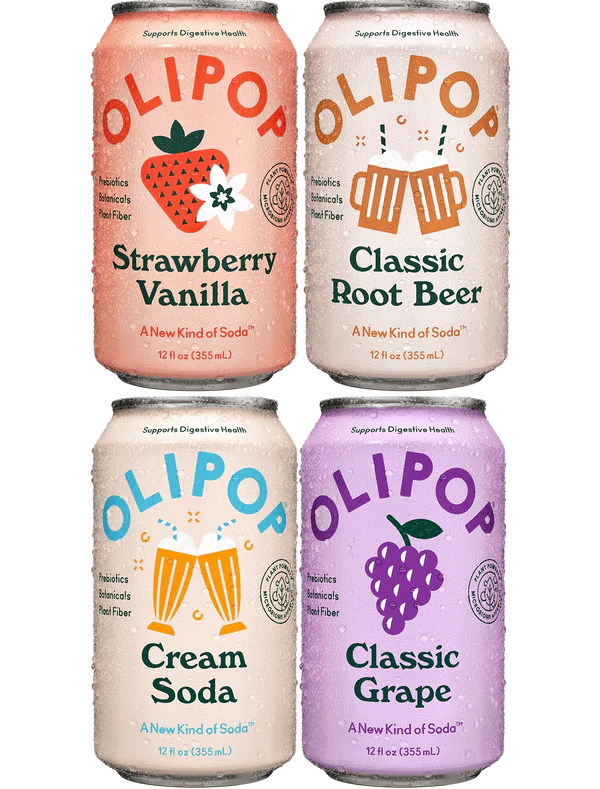
Olipop was designed to taste like classic soda—without the sugar or artificial ingredients. The brand has mastered the art of creating nostalgic, creamy, and fruity flavors that appeal to soda lovers. For example, Cream Soda delivers a rich, vanilla-forward sweetness with a smooth finish, perfect for those craving a root beer float vibe. Meanwhile, Pineapple Paradise offers a tropical, juicy burst that feels like a summer vacation in a can—no fermentation funk required.
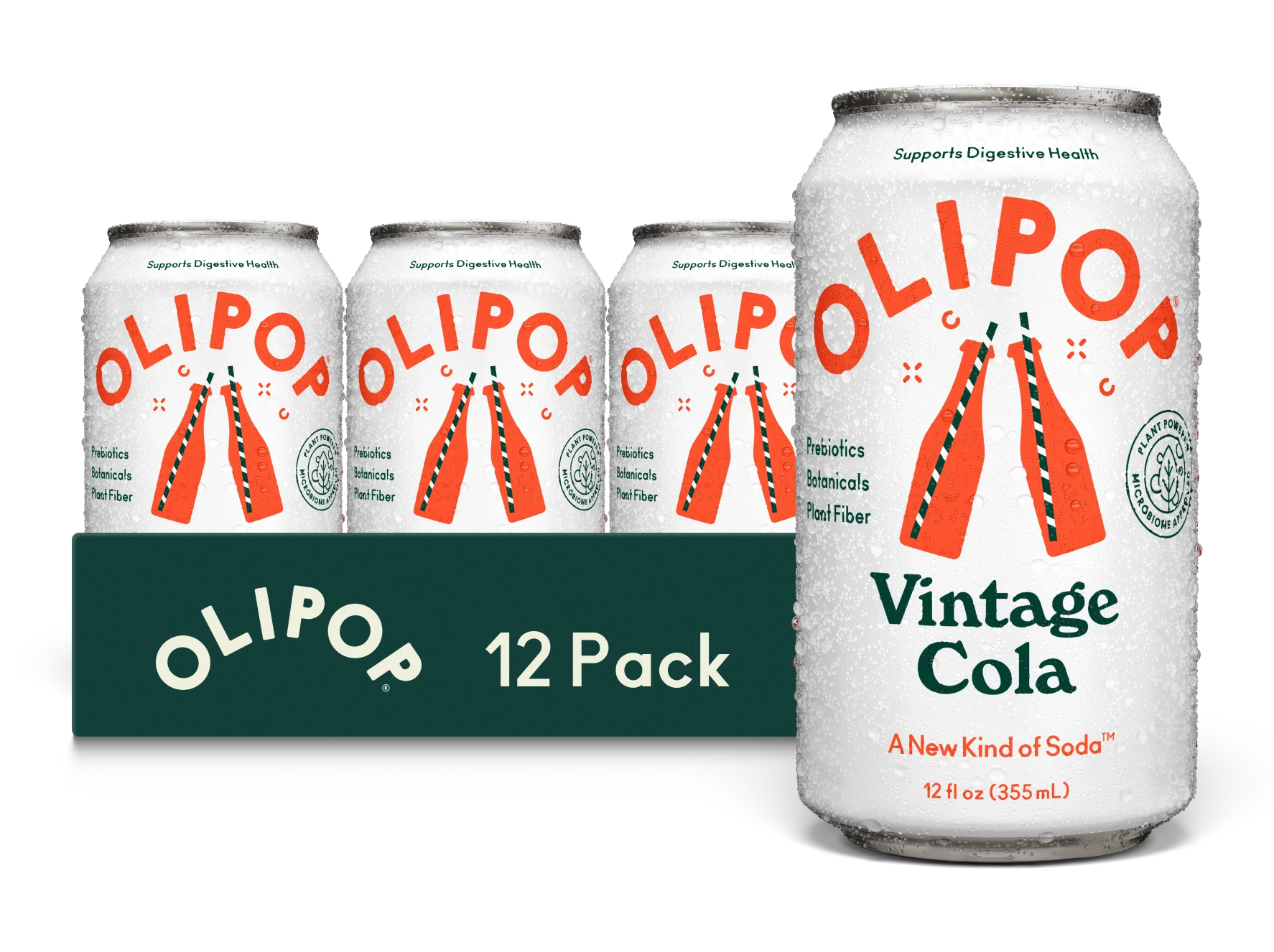
Olipop also excels in limited-edition and seasonal offerings. The Winter Seasonal Vintage Cola is a standout, blending classic cola spices with a hint of winter warmth. And for a bold, cherry-forward experience, Cherry Cola is a fan favorite that pairs beautifully with snacks or as a standalone treat. These flavors make Olipop a more approachable alternative for people who want gut health benefits without the sour aftertaste.
Nutritional Comparison: Sugar, Calories, and Ingredients
When comparing nutrition labels, the differences become stark. Here’s a side-by-side look at a typical serving (12 oz) of each:
| Nutrient | Olipop (Prebiotic Soda) | Kombucha (Typical Brand) |
|---|---|---|
| Calories | 35–45 | 30–60 |
| Total Sugar | 2–5g (from fruit juice) | 4–10g (often added sugar or fruit juice) |
| Added Sugar | 0g | 0–6g |
| Fiber | 9g | 0g |
| Probiotics | None | Live cultures (varies) |
| Alcohol | 0% ABV | 0.5%–1% (trace) |
| Caffeine | 0mg (most flavors) | 5–15mg (from tea) |
Key takeaway: Olipop is lower in sugar and higher in fiber, making it a better choice for blood sugar management and digestive regularity. Kombucha offers probiotics and a small amount of caffeine, which may appeal to those looking for a mild energy lift. However, the trace alcohol in kombucha can be a concern for individuals avoiding alcohol entirely, such as pregnant women or those in recovery.
Convenience and Shelf Life
Kombucha requires refrigeration to maintain its live cultures. If left at room temperature for more than a day, the fermentation continues, potentially over-carbonating or spoiling the drink. This makes kombucha less ideal for on-the-go lifestyles or stocking up in bulk.
Olipop, being a shelf-stable prebiotic soda, can be stored at room temperature until opened. This is a huge advantage for meal prepping, office snacks, or keeping a stash in your car. The cans are also more portable and lighter than glass kombucha bottles. For busy professionals, parents, or college students, Olipop’s convenience is a significant win in the prebiotic soda vs fermented drink debate.
Which One Should You Choose in 2025?
Your decision ultimately depends on your health priorities and taste preferences:
- Choose Olipop if: You want high fiber, zero added sugar, no alcohol, a soda-like taste, and shelf-stable convenience. Ideal for keto, low-carb, or low-FODMAP diets.
- Choose kombucha if: You prioritize live probiotics, enjoy tangy/sour flavors, don’t mind refrigeration, and want a small caffeine kick.
- Choose both! Many gut health experts recommend rotating between prebiotic and probiotic sources for a diverse microbiome. You could enjoy an Olipop as a daily soda replacement and sip kombucha a few times a week.
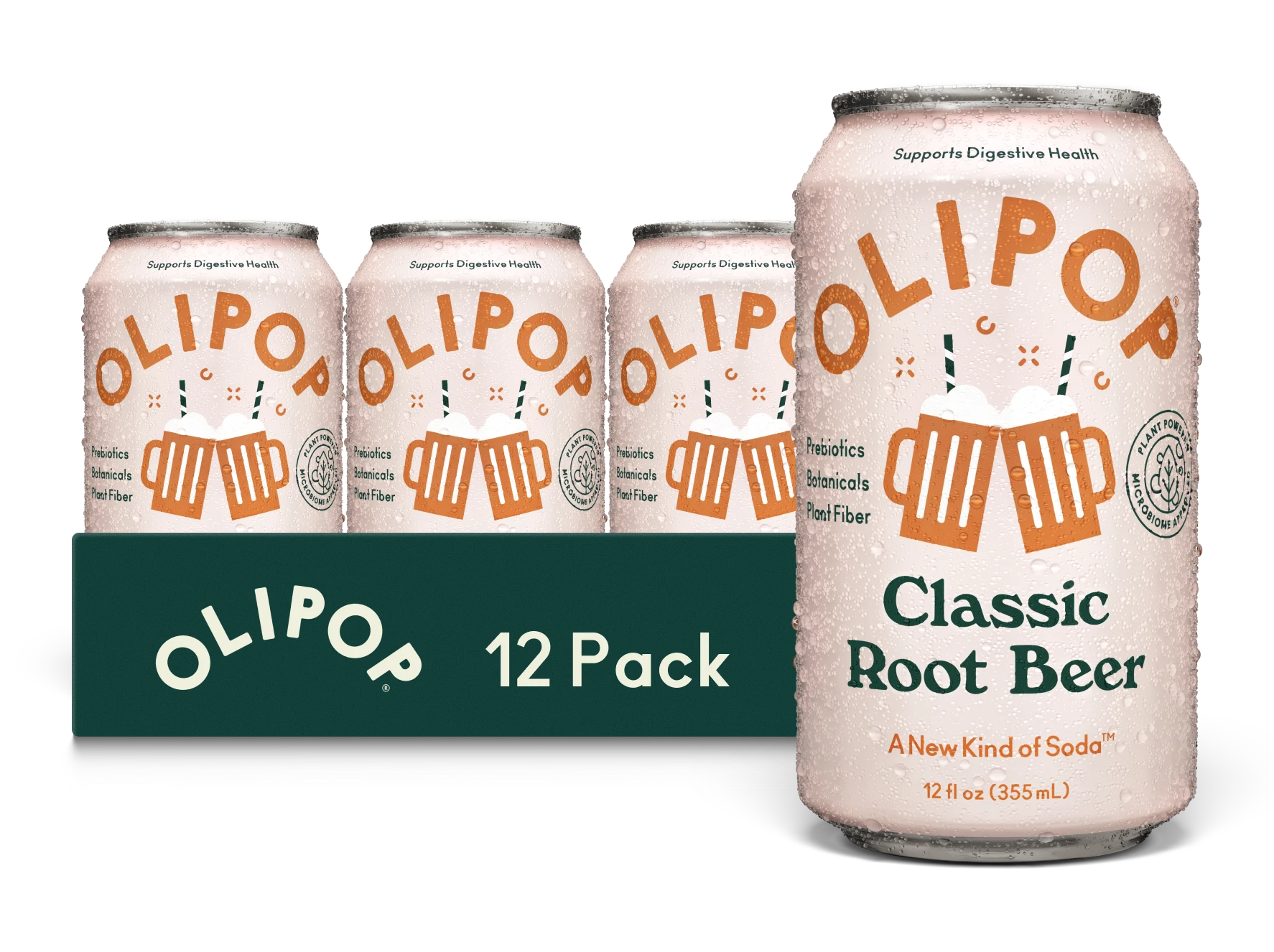
For those new to functional beverages, starting with Olipop’s friendly flavor profile may help you build a consistent gut-health routine without the shock of kombucha’s acidity. The Classic Root Beer is a fantastic gateway flavor—rich, creamy, and nostalgic—while the Ginger Ale offers a zesty, digestive-soothing option.
Final Verdict: The Microbiome Winner
While both drinks support gut health, Olipop edges ahead in 2025 for its superior fiber content, lower sugar, zero alcohol, and broader appeal. Kombucha remains a valuable probiotic source, but its variability in live cultures and higher acidity make it less accessible for everyday use. For a reliable, delicious, and effective microbiome drink, Olipop is the clear winner—especially when you consider the creative variety packs that let you sample multiple flavors.
Ready to upgrade your gut health routine? Explore the Fruity Fun Variety Pack to discover your new favorite prebiotic soda. With a rainbow of flavors designed to nourish your gut and satisfy your soda cravings, it’s the perfect starting point for your journey toward a happier, healthier microbiome.